Missing or clunky loyalty program
Two times the lifetime value, in a year
Maestra Platform separates new customers from returning ones and treats them differently, the all-in-one retention marketing platform for ecommerce brands, with a forward-deployed marketer.
Brands running on Maestra






The problem
Loyalty that only lives in one channel
A points balance that only shows up on a standalone rewards page misses the moments that matter: checkout, an abandoned cart email, an in-store visit. Without that context everywhere, loyalty can't do the one thing it's for, bringing customers back.
What we hear from brands
loyalty program constrained to store discounts, nowhere else
difficulty unifying online and in-store loyalty across POS and ERP
phone number IDs are often outdated, so we can't even reach our own members
The new way
Tiers people actually want to keep
Group customers by spend or points earned, then give each tier a reason to stay: higher discounts, early access, or free shipping. Because tier status lives in the same profile as every other signal, the benefit shows up the moment a customer qualifies.
Outcomes brands report
Customer proof
Rewards that apply themselves at the checkout

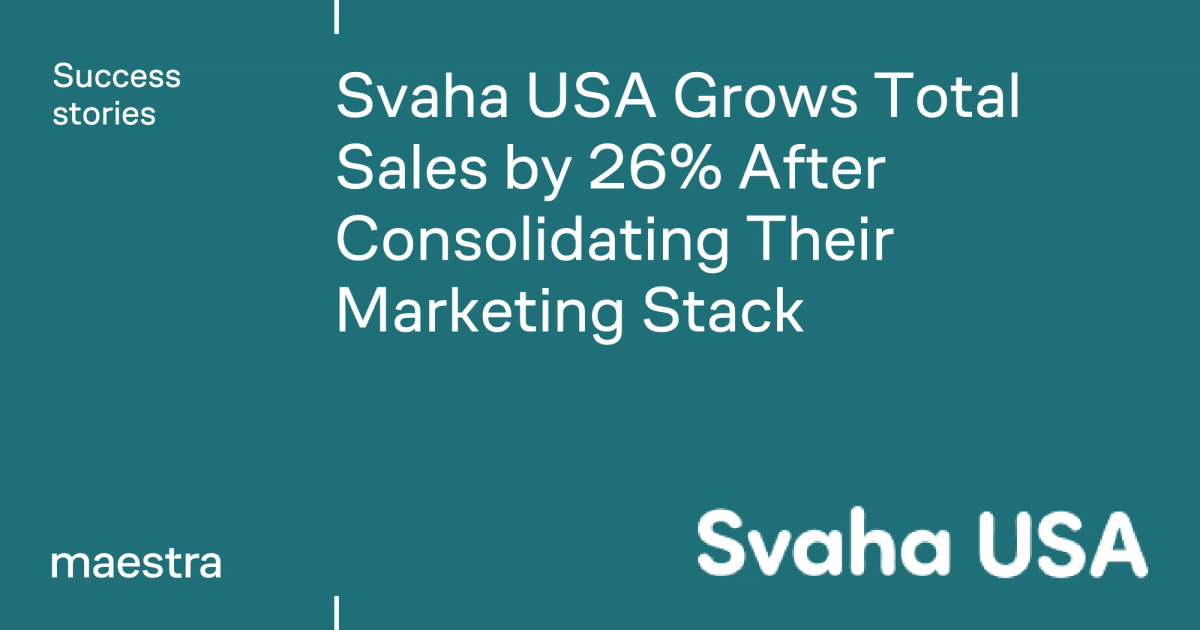
The old program dropped rewards and hid the ones it kept behind a page nobody visited. In-checkout redemption made the benefit visible at the moment it changes the decision, and total sales grew by a quarter.
 Read the full case study
+26%
total sales after consolidation
How it works
Your old stack is the safety net
Keep it running
Nothing is switched off at the start. Both setups exist side by side while the new one is proven.
Compare before you commit
You see the rebuilt flows and segments against the ones you know before anything is pointed at customers.
Turn it off on your terms
The old contracts end when you say so, not because the migration forced the date.
The platform
Enterprise capability, ecommerce timeline
The heavy parts of an enterprise CDP are already built and already connected to the channels, so the work left is configuration rather than a platform project. Brands get capability that used to take a year of integration.
Including
Your forward-deployed marketer
The difference between advice and implementation
An agency sends recommendations and an invoice. Your marketer opens the platform and builds the thing, which is why the improvements that are technically easy but always postponed actually ship.
Work delivered in the platform, not as a deck
The postponed improvements get shipped
No separate services fee
Replace your stack
Agency plus point tools, priced honestly
The common setup is several subscriptions and a retainer for the people who operate them. Here the operating is included, which changes what the comparison is actually between.
The next step is smaller than a migration
Look at the platform, ask what your first month would look like, and decide after that.